
In Illa Brettanomyces Nos Fides
In These Wild Yeast We Trust
The Lost Abbey was founded with a belief that beer can be more than what fills a glass — it can be an act of devotion.
Inspired by the monastic brewing traditions of old Belgium, we blend art, science, and a dash of hope to create beers that tell stories of faith, patience, and transformation.
The Lost Abbey owes our creation a nod to the great beers of Belgium but has grown into its own pilgrimage for those who seek flavor with soul.
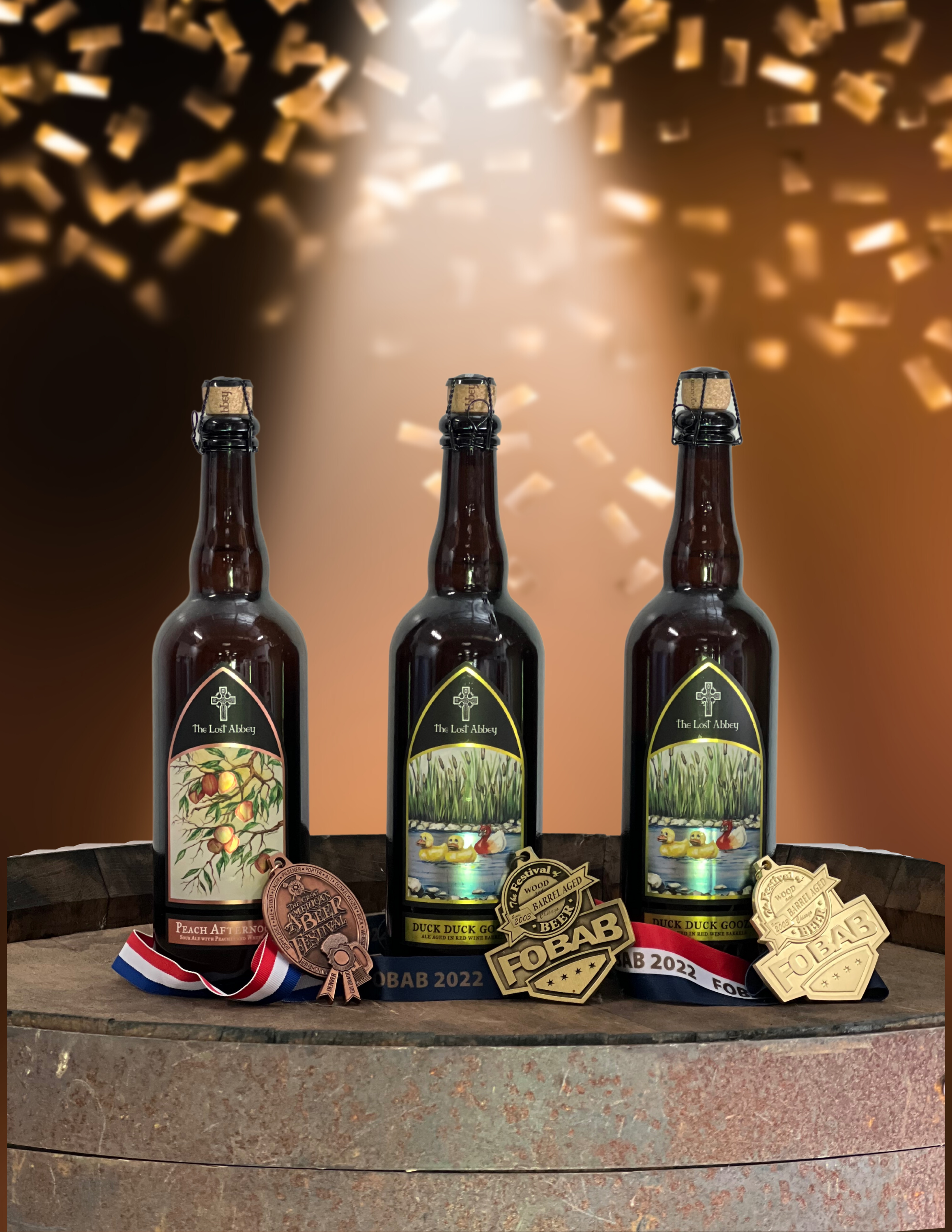
Our award winning Belgian-inspired ales, barrel-aged blends, and spontaneous creations invite drinkers to explore the sacred and the profane.
Whether you’re discovering us for the first time or have followed our journey from the beginning, we welcome you to raise a glass in good company.
In this house of fermentation and faith, there’s room for every sinner, every saint, and the stories we each share in between.
The Crusade

-
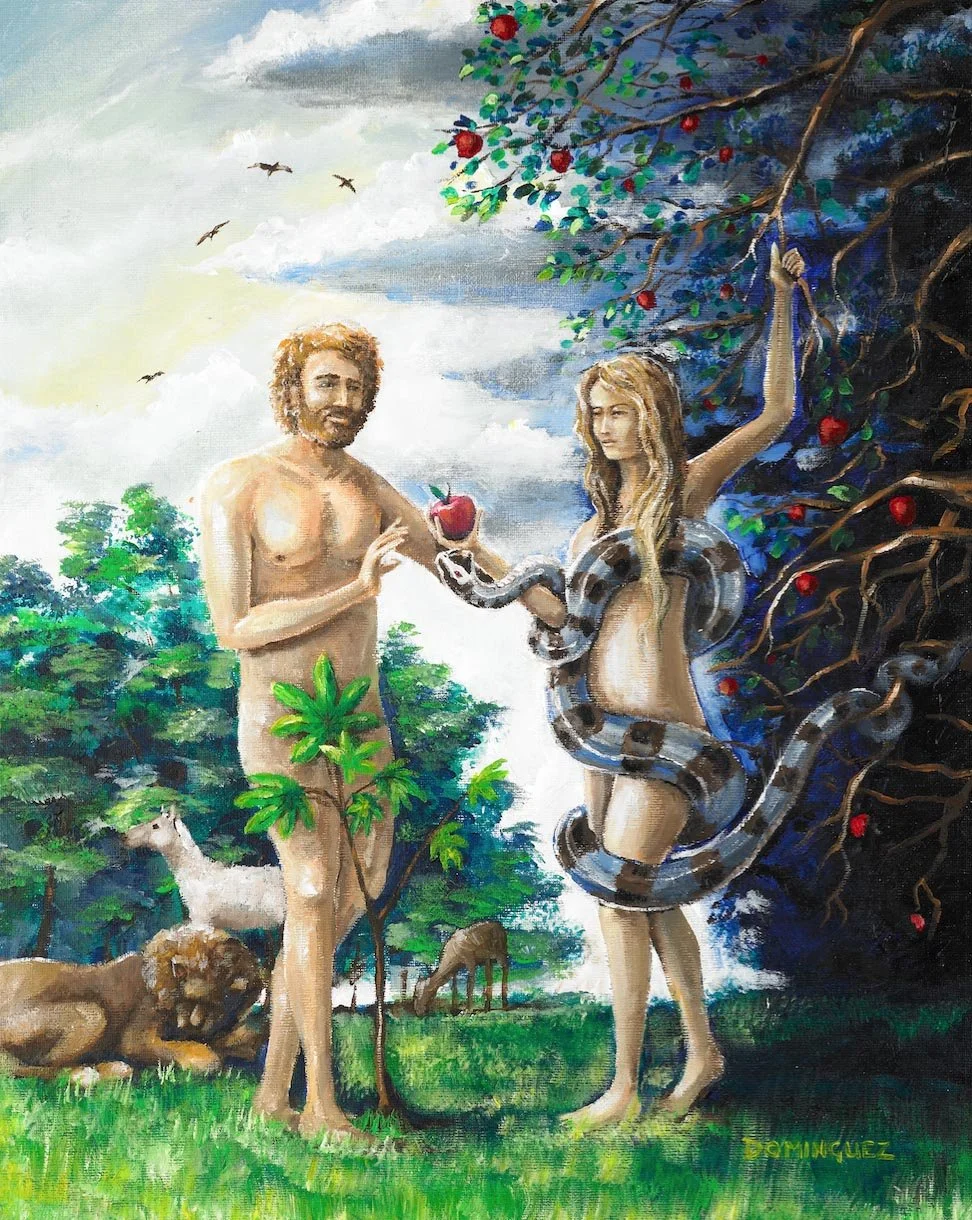
They were told not to eat the fruit from the apple tree. It was off limits and the fruit was forbidden. They were tempted by the serpent and made a choice to eat from the tree. Their actions were not preordained but rather the actions of beings with free will. We have all been given free will and it is this notion of free will that affords each of us the opportunity to make choices in our lives. At every fork in the road, there are signs marking the struggle of Good vs. Evil.
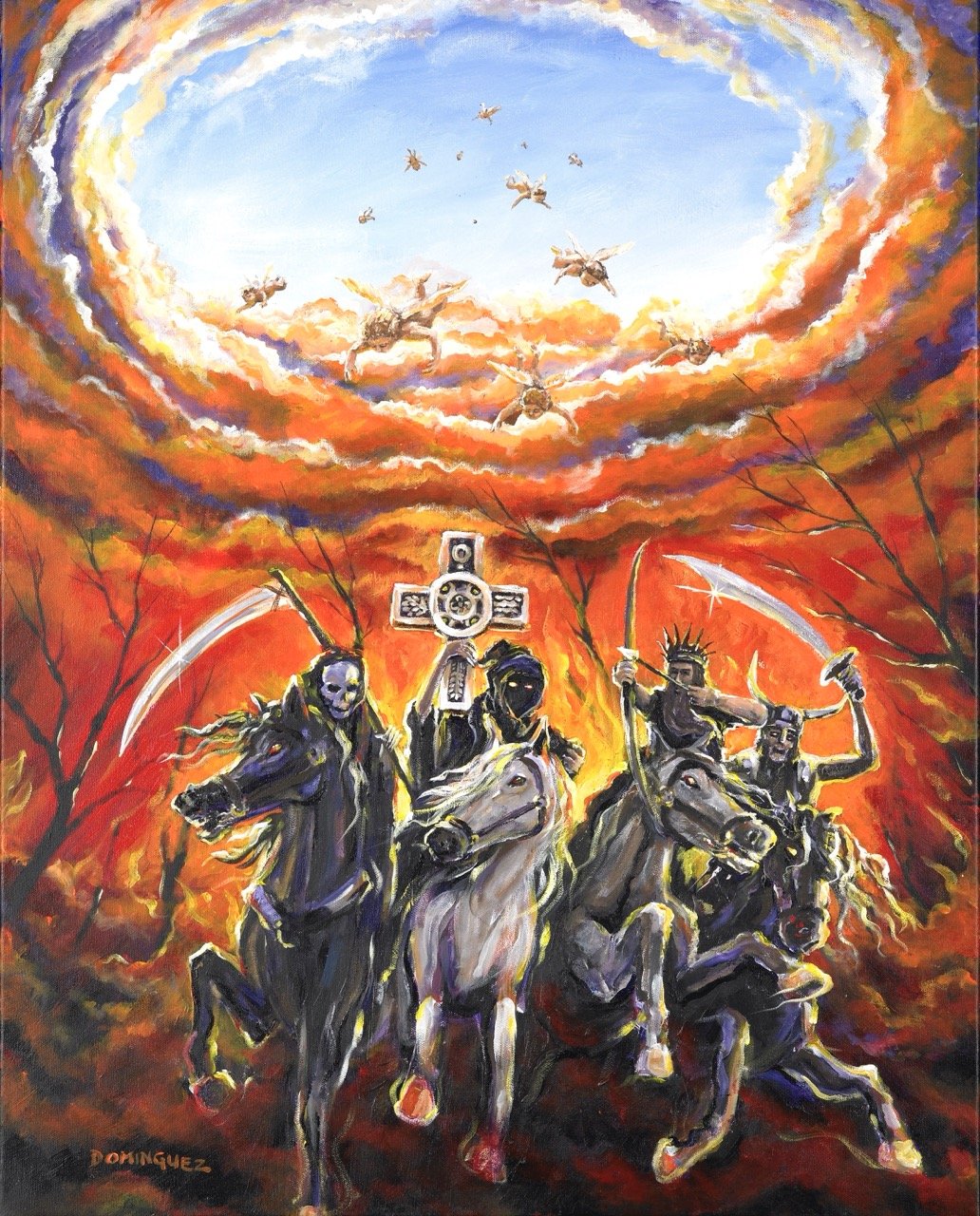
The Lost Abbey was imagined as part of a crusade in this ongoing story of Good vs. Evil beer. Everywhere we turn these days, there is a battle being waged between those who make good beer and those who make evil beer (bad beers). But, how did we get here? Why us? Why these beers? Do you want to join our crusade? A few years and beers ago, Vince Marsaglia (one of our co-founders) was inspired by the numerous Abbey Style beers that he tasted and dreamed up a brewery project that produced a range of beers produced with a nod to the monastic brewing traditions of Belgium.
-
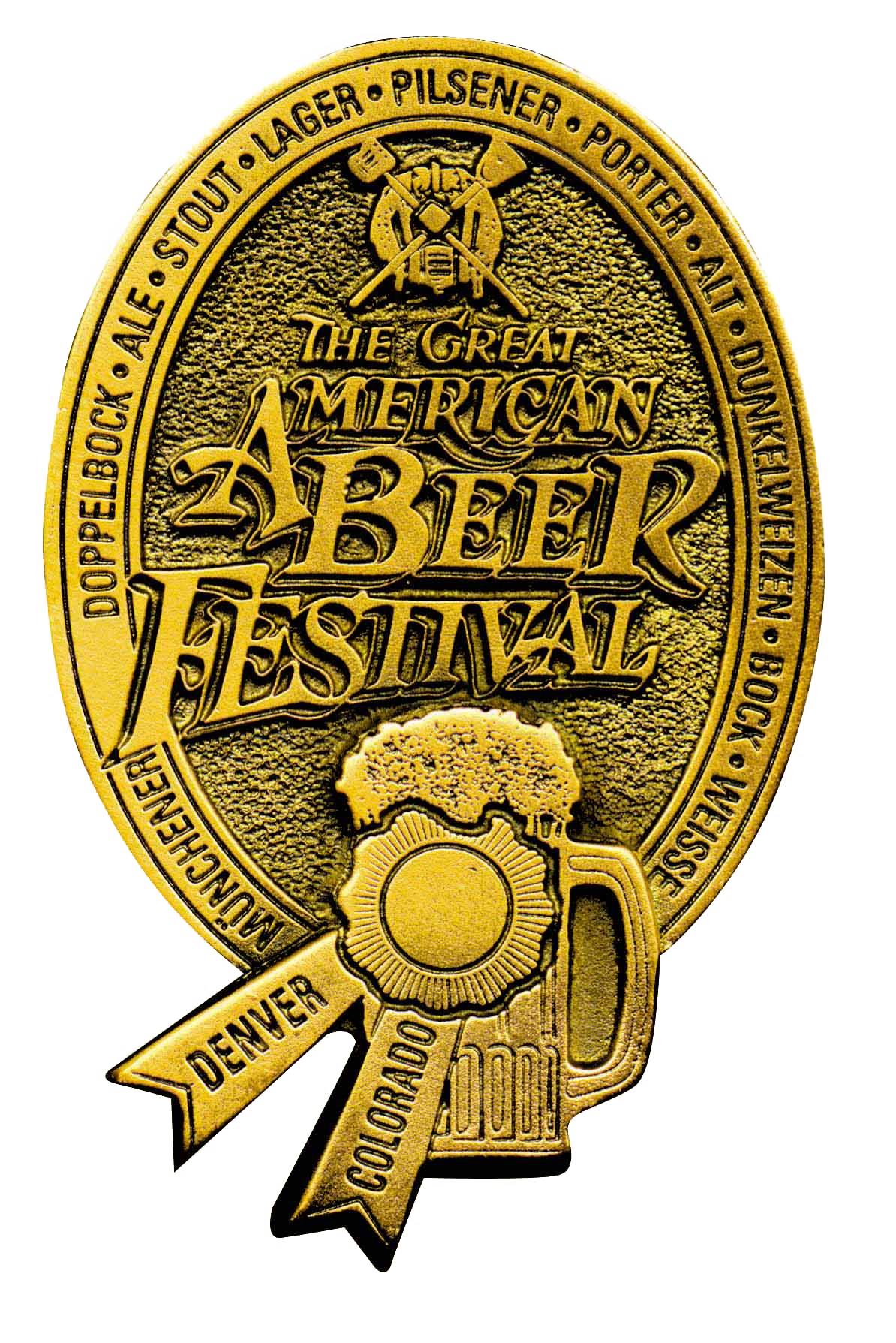
As Vince imagined it, this brewery had no actual Abbey property involved, making it “lost” from the very beginning. The Lost Abbey took over the original Stone brewery building in San Marcos. The doors opened in May 2006 and in 2007 The Lost Abbey was named Great American Beer Festival Small Brewery of the Year, and Tomme was named Small Brewer of the Year. Scarcely six months later, the pair were again honored — this time as Champion Small Brewery and Small Brewer at the 2008 World Beer Cup competition, one of the youngest breweries ever to win the back-to-back honors.
-
The Lost Abbey now operates a brewery in Vista along with three satellite tasting rooms in San Marcos, Cardiff, and San Diego.
We ask you to join us on our crusade to make locally brewed beers in the most imaginative and flavorful ways possible. While we are in the business of making beer, we also believe that we are foremost in the business of imagining all things possible and our goal as brewers and imaginers is to cultivate and develop the fruits of our fertile imaginations.
We believe there are no boundaries to what we have set out to achieve and we know that those who seek out The Lost Abbey will be rewarded in the end.
The Process
-
There are two types of beer: Ale — which is the result of a warm fermentation with ale yeast and Lager — which is the result of a chilled or cooler fermentation by lager yeast.
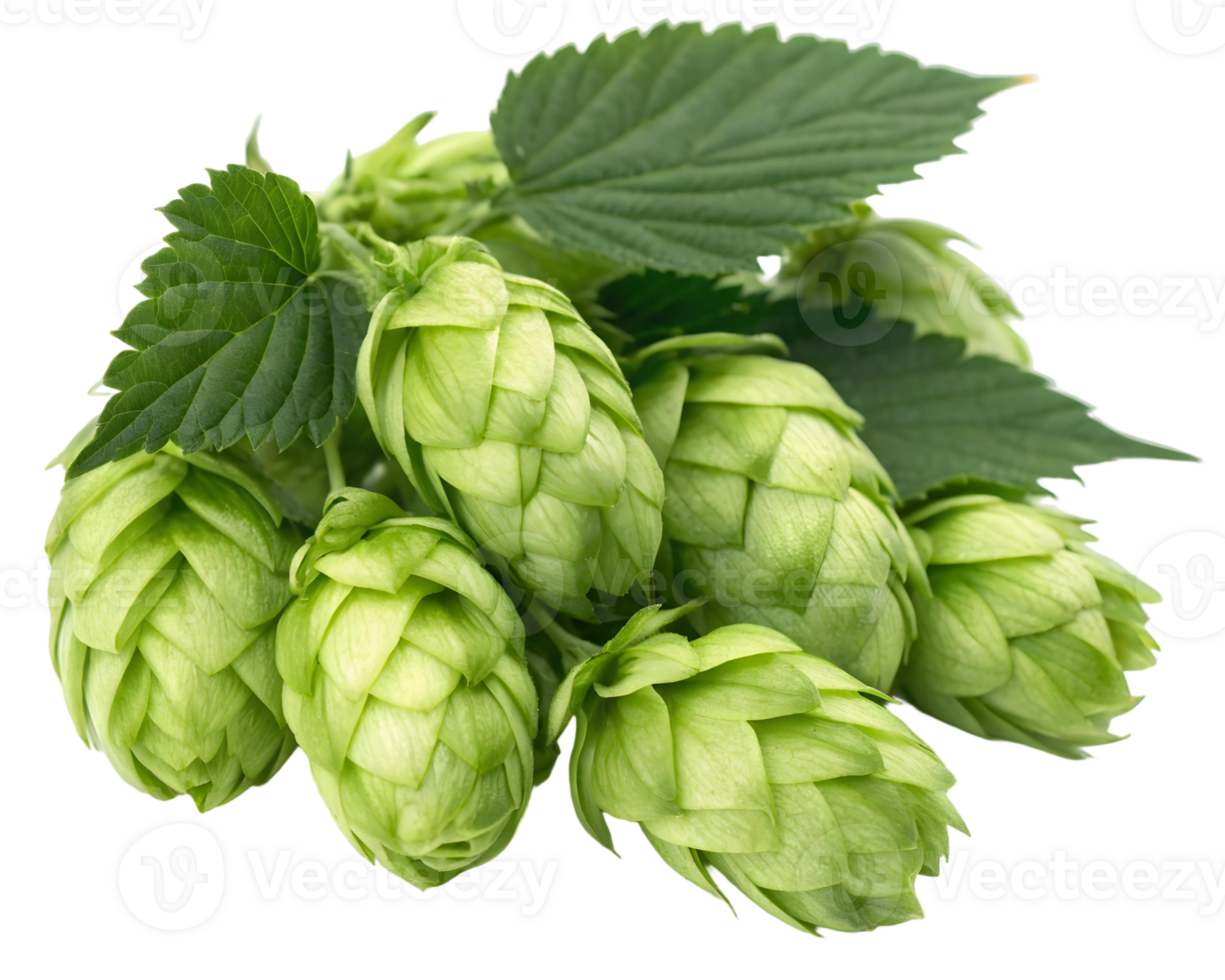
Porters, Stouts, Wheat, and Belgian beers are known as styles. At The Lost Abbey, our beers are made from the four traditional ingredients — Malted Barley, Water, Yeast and Hops. But in the spirit of innovation and flavor driven beers, we will also utilize many techniques normally associated with cooking including the use of herbs, spices and proprietary processes that we have developed to ensure our beers have signature flavors.
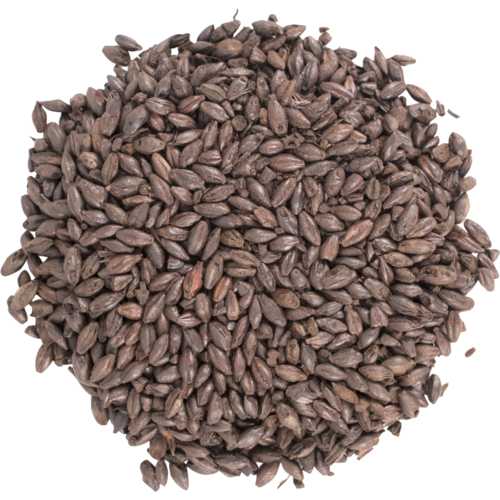
The conventional brewing process begins with the selection of barley required for the brew. Malted barley forms the base malts from which most of the sugars needed for fermentation are derived. Other malts known as colored or specialty malts are blended with the malted barley base malt to form the grist for the beer.
-
The composition of a grist is a closely guarded secret as many breweries believe that a well integrated grist and the sugars it produces are the foundation for a great beer. At The Lost Abbey, we brew with the most interesting malts we can get our hands on. Malts with great flavor and names like Honey Malt, Kiln Coffee, Biscuit, Melanoidin and Special B. Each of these malts and many others come from different suppliers and allow us to create a wide range of flavors.
Once the grist has been composed it is milled whereby the grain is split in half allowing our brewers access to the starches inside. The malt is then mixed in the mash tun with hot water and allowed to rest (sit) for one hour as the complex sugars are broken down into simple sugars that the yeast can ferment. When the starches have been converted into simpler sugars, the grains are rinsed with water in a process called sparging. This action of rinsing the grain with hot water is combined with another process called lautering where the grains rinsed and the sugars are collected in the brew kettle where they will be boiled.
-
After all the sugars are collected in the kettle, the mixture called wort is brought to a boil. During the boiling process, hops and spices are added to the wort for flavor and aroma additions. After a 90 minute boil, the wort is chilled down and transferred to a fermenter where it meets the yeast.
-
The Lost Abbey beers are made from a wide array of yeasts each selected for the flavors and aromas produced during the fermentation. As part of our commitment to flavor driven and process driven beers, we also brew beers using wild yeasts such as Brettanomyces and other micro-organisms including Lactobacillus and Pediococcus in our barrel aged beers.
These micro-organisms are an integral flavor component of many Belgian Farmhouse and Lambic style beers. During fermentation, the yeast consumes the available sugars converting them into alcohol and CO2 which gives the beer its bubbles.
Fermentation lasts 2-3 weeks before the beer is transferred or filtered. At packaging time the beer is dosed with fresh yeast and sugar for bottling which creates a secondary re-fermentation in the bottle producing more CO2 and a yeast flavor in the beer. This is the same process that many of the great sparkling wines of the world undergo. This bottle condition process is much more labor intensive but produces a beer of refined flavor and texture.
The Cross

-
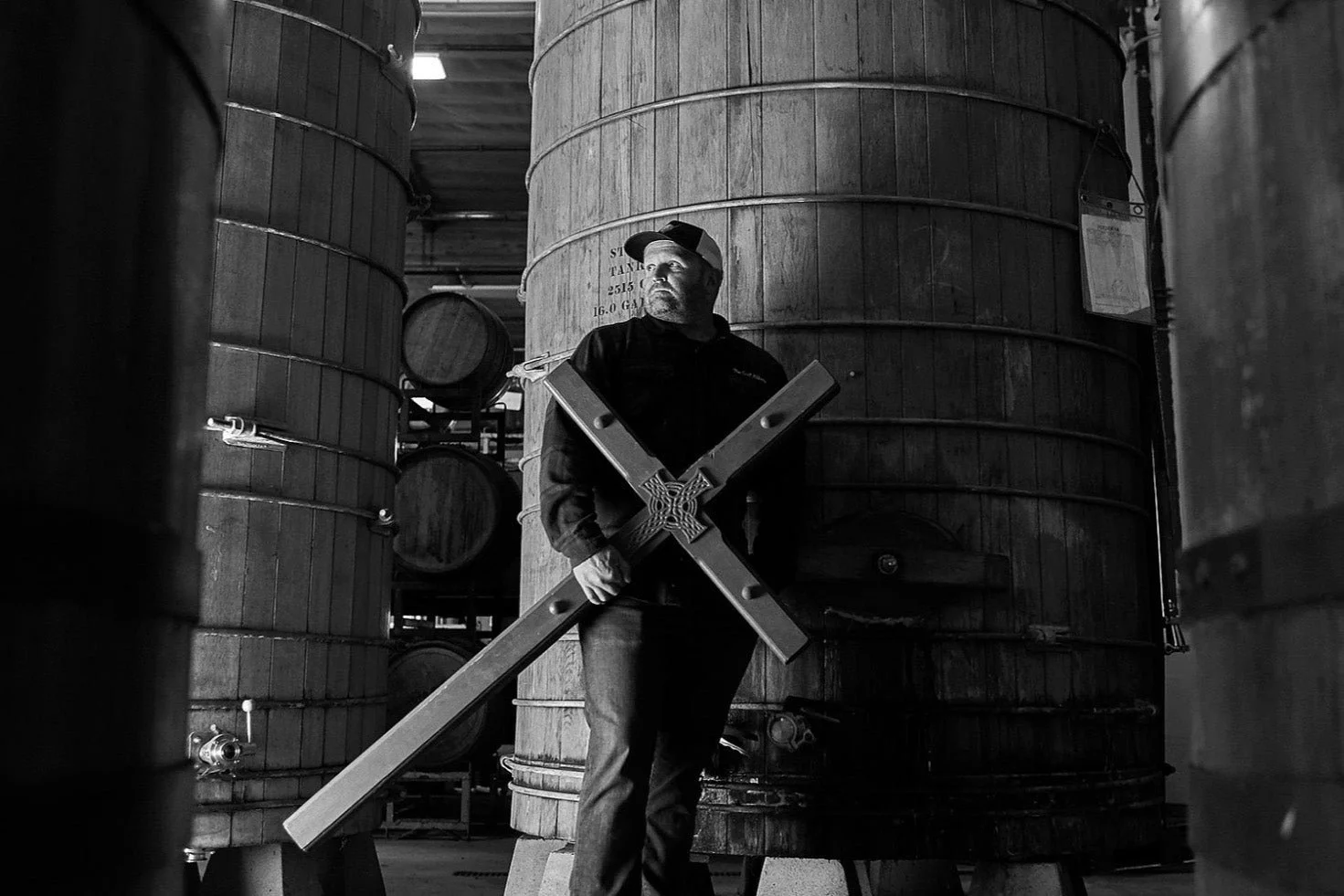
In developing a portfolio of beers paying homage to Monastic Brewing traditions, we felt it was important to integrate some classic images into our logo and artwork. You will find that in The Lost Abbey artwork we have incorporated the Celtic cross, a symbol steeped in meaning since the original Celtic tribes spread westward across northern Europe from their home along the Rhine to the British Isles.
The Celtic cross shape itself has been widely used by many ancient peoples, long before the arrival of Christianity. Its four arms were perfect for denoting the four elements, the four directions of the compass, and the four parts of man – mind, body, soul and heart.
Brewing was once a very seasonal activity centered around the four seasons of each year as well. Working as brewers, we are also acutely aware of the four main ingredients that are used in the brewing process- Barley, Water, Yeast and Hops.
-
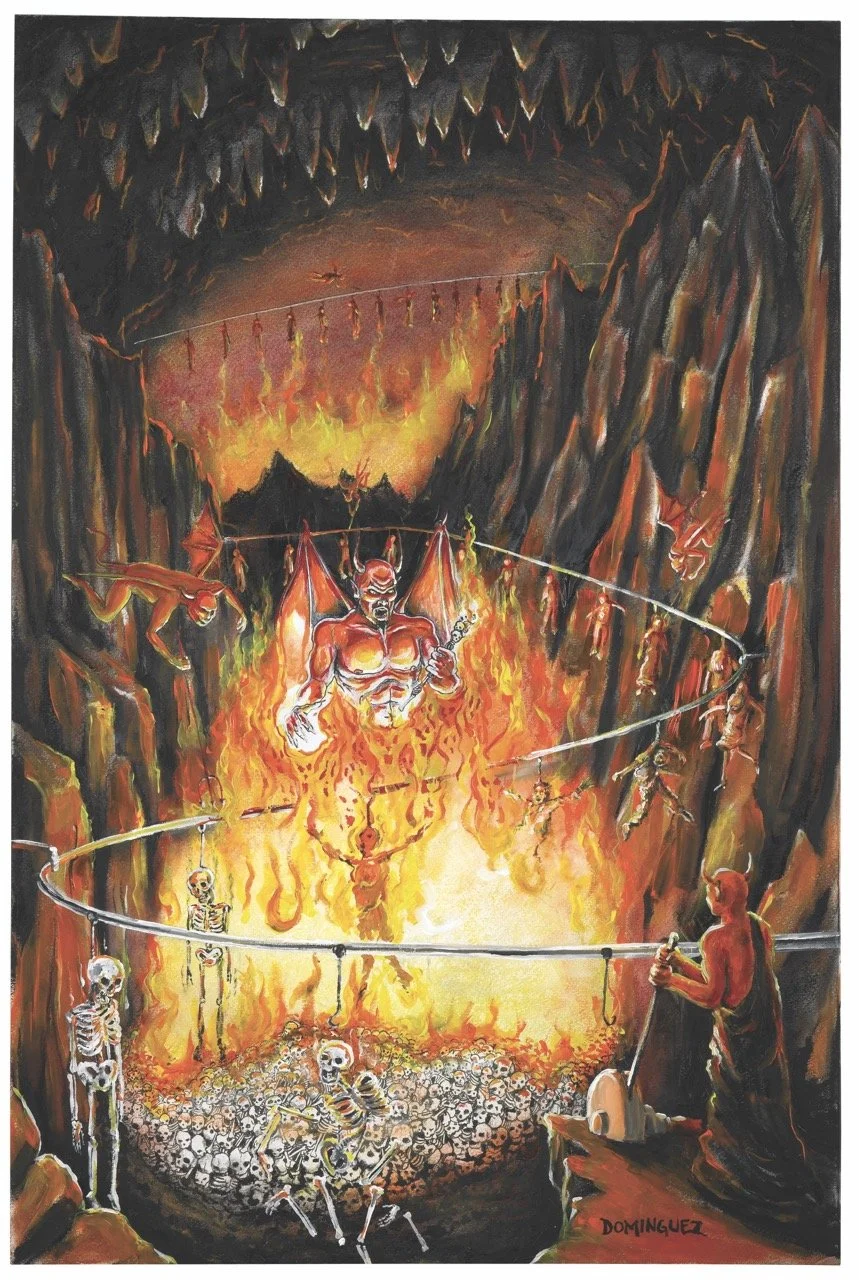
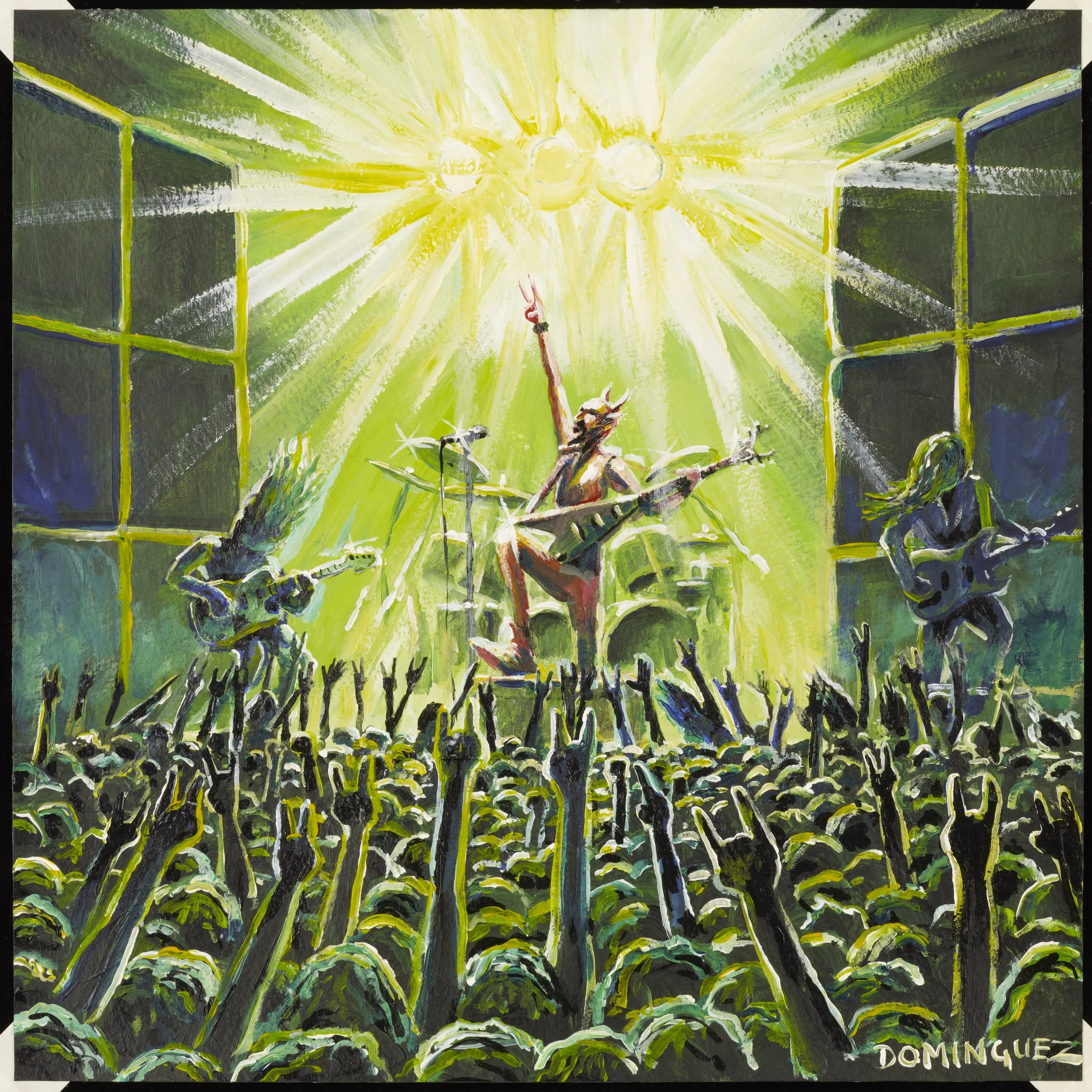
The Lost Abbey Celtic cross was created by our artist Sean Dominguez.
On each point you will find one of the traditional four brewing ingredients: barley, yeast, hops and water.
Each of these ingredients is then tied to one another through the circle of passion that binds this project.
-
Everywhere we turned, there were relationships of four we felt it was important to remember. The addition of the ring around the cross making it Celtic in origin played a major role in our adoption as a symbol for The Lost Abbey.
The ring around the cross has many explanations. An Irish legend tells how St. Patrick created the first Celtic cross by drawing a circle over a Latin cross to incorporate a pagan moon goddess symbol. For an Irish Catholic, the circle in the Celtic cross may be a symbol of eternity.
The addition of a pagan moon goddess symbol reminds us that life is made up of those who believe and those who choose not to believe. It is quite certain that there are those who choose to believe in The Lost Abbey and those who do not. The ring around the cross connects the elements of brewing together and each of the four segments that make up the circle represent each of the founder’s commitment to the industry and artistry that is beer.
-
For us, the circle joins the four points of the cross with a fifth element that we believe represents the spirit of the people that energize The Lost Abbey on a daily basis.
This “quintessential” notion extends to the brewing process where the traditional four brewing ingredients are combined with this radiating circle of passion resulting in something entirely new and exciting.
We hope you enjoy it.
The Art
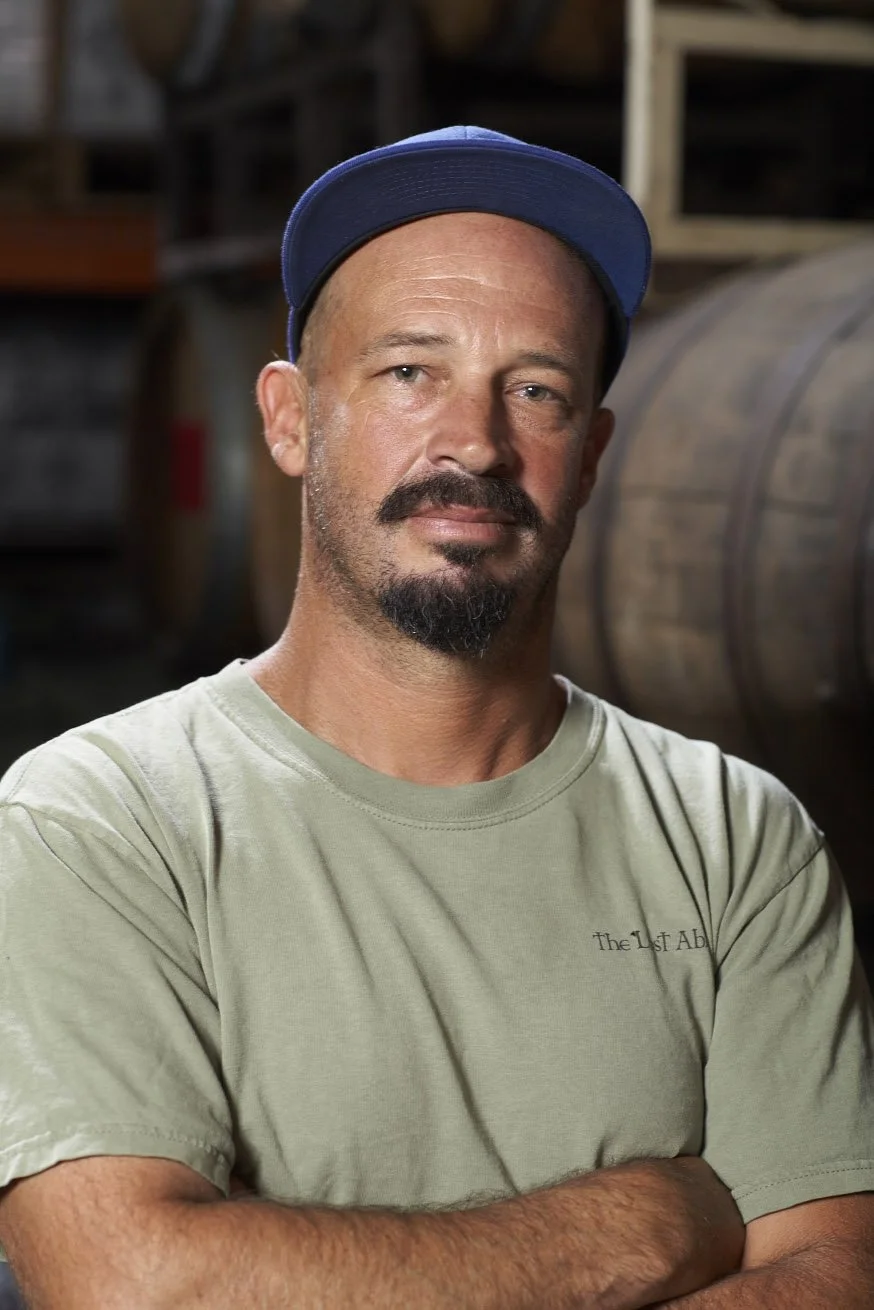
The primary artist behind The Lost Abbey's iconic, heavenly/hellish, story-driven beer labels is Sean Dominguez, who's created our distinct art since the brewery's inception, blending European brewing themes with local flair.
Sean is a well-known San Diego-area artist, particularly famous for his vibrant surf and skate-inspired art, murals (like the Carlsbad Art Wall) and work for Pizza Port and the Lost Abbey. He combines graffiti roots with coastal themes, creating colorful, often dolphin or wave-focused pieces that are popular around the county, embodying a true local surf culture.
View our Gallery
Stories from the Abbey

Reach out and touch faith base
Have a question or comment? Looking to host an event, distribute our beer, or just say hi, we want to hear from you!